Understanding Ultrasound-Guided BBL
The Brazilian Butt Lift (BBL) has gained popularity, yet safety concerns persist; ultrasound guidance emerges as a crucial advancement, offering a new standard of care for surgeons.
Experienced surgeons prioritize injecting into the subcutaneous fat layer, avoiding the muscle, and ultrasound technology confirms this precise placement, significantly enhancing patient safety.
Florida’s legislation now mandates ultrasound use during BBL procedures, reflecting a commitment to minimizing risks and improving outcomes for individuals seeking body contouring.
What is a Brazilian Butt Lift (BBL)?
A Brazilian Butt Lift (BBL) is a popular cosmetic procedure designed to enhance the shape and size of the buttocks using a patient’s own fat. This involves liposuction to remove fat from areas like the abdomen, flanks, or thighs, which is then carefully transferred to the buttocks. The goal is to create a more sculpted and proportionate figure, improving the natural curves.
However, it’s crucial to understand that a BBL isn’t simply about adding volume. Skilled surgeons focus on achieving a natural-looking result by strategically placing the fat to enhance existing contours. The procedure has become increasingly sought after, but historically, it has carried significant risks, primarily due to the potential for complications during the fat injection phase.
The procedure’s safety has been a major focus of discussion, leading to advancements like ultrasound guidance, which aims to mitigate these risks. Understanding the core principles of a BBL – fat harvesting, processing, and precise injection – is essential for anyone considering this transformative surgery.
The Rising Concerns About BBL Safety
Historically, the Brazilian Butt Lift (BBL) has been associated with a concerningly high mortality rate compared to other cosmetic procedures. This prompted significant scrutiny from medical boards and the public alike, highlighting the critical need for improved safety protocols. The primary danger lies in the potential for fat to inadvertently enter the bloodstream, causing a fat embolism – a life-threatening complication.
Many believed that an experienced surgeon alone could mitigate these risks, but data suggests otherwise. A significant underestimation of BBL-related death rates persisted, even among medical professionals. The issue isn’t solely about surgical skill; it’s about ensuring fat is consistently and accurately injected above the gluteal muscle.
This realization fueled the demand for technologies like ultrasound guidance, which offers real-time visualization of the injection site. The concerns surrounding BBL safety have driven a shift towards a more cautious and technologically advanced approach, aiming to reduce the risk of fatal complications and establish a new standard of care.
The Role of Ultrasound Guidance
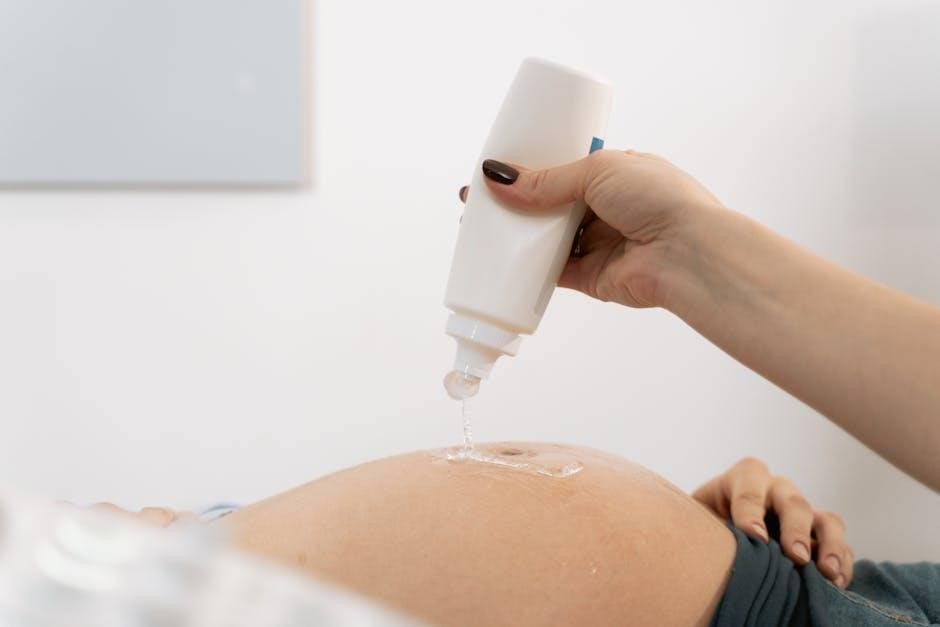
Ultrasound technology is a game-changer for BBL safety, providing surgeons with real-time visualization of subcutaneous fat layers and preventing dangerous intramuscular injections.
This innovative approach ensures precise fat placement, minimizing the risk of complications and enhancing the overall safety profile of the procedure.
Ultrasound guidance represents a significant advancement in BBL techniques, offering a higher level of precision and patient protection.
How Ultrasound Technology Works in BBL
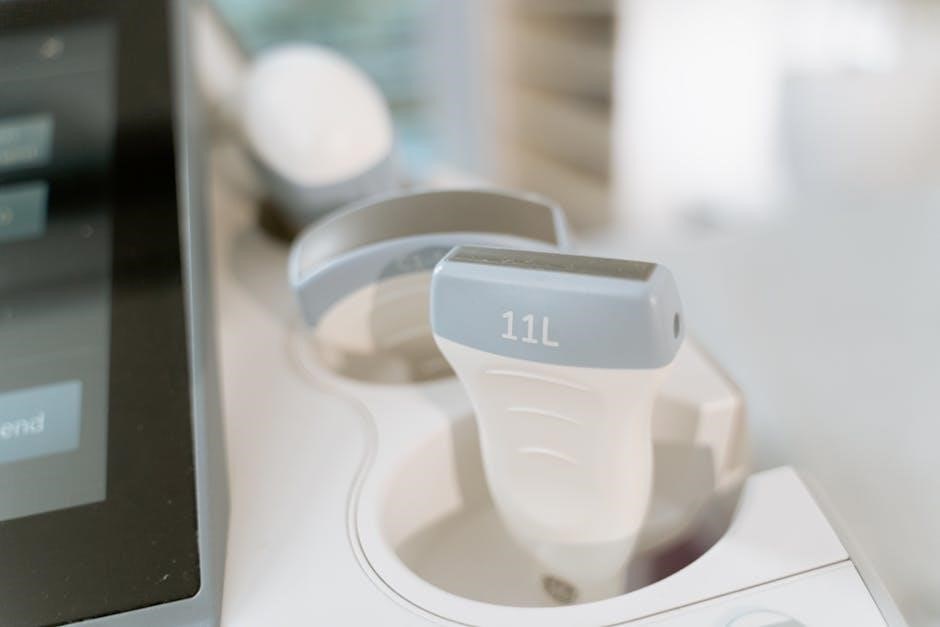
Ultrasound guidance in BBL utilizes high-frequency sound waves to create real-time images of the patient’s anatomy. A transducer, the handheld device, emits these waves which penetrate the skin and bounce back when they encounter different tissue densities.
These echoes are then processed by a machine, translating them into a visual representation on a screen. This allows the surgeon to clearly differentiate between subcutaneous fat, muscle, and blood vessels before and during the fat injection process.
Essentially, it’s like having a live X-ray, but without the radiation exposure. The surgeon can precisely visualize the depth and location of the injections, ensuring the fat is deposited safely above the muscle layer.
This is critical because injecting into the muscle significantly increases the risk of fat embolism – a potentially fatal complication. Ultrasound provides a dynamic view, allowing for adjustments during the procedure to optimize fat placement and maximize safety.
Visualizing Subcutaneous Fat Layers
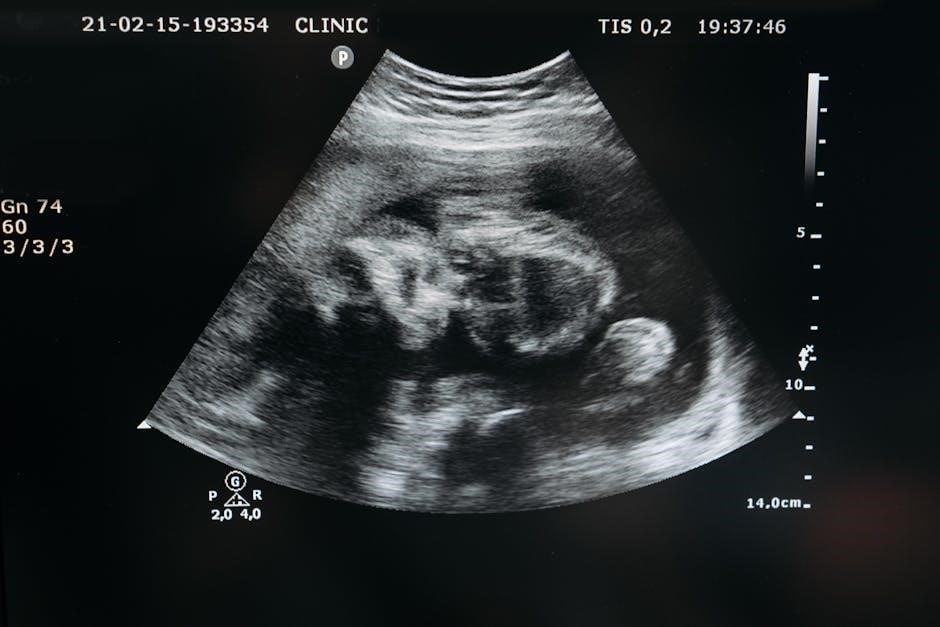
Ultrasound excels at delineating the distinct layers beneath the skin, particularly the subcutaneous fat. This layer, situated between the skin and the muscle, is the ideal target for fat grafting during a BBL procedure. The ultrasound image displays the subcutaneous fat as a relatively homogenous, echogenic (bright) area.
Surgeons can assess the thickness and quality of this fat layer, identifying optimal injection points. The technology also reveals the superficial fascial system (SFS), a network of connective tissue within the subcutaneous fat, which can guide cannula placement for even distribution.
Crucially, ultrasound clearly distinguishes the hypoechoic (darker) muscle layer beneath the fat. This visual separation is paramount, as it allows the surgeon to confirm they are consistently injecting above the muscle, avoiding the dangerous intramuscular placement.
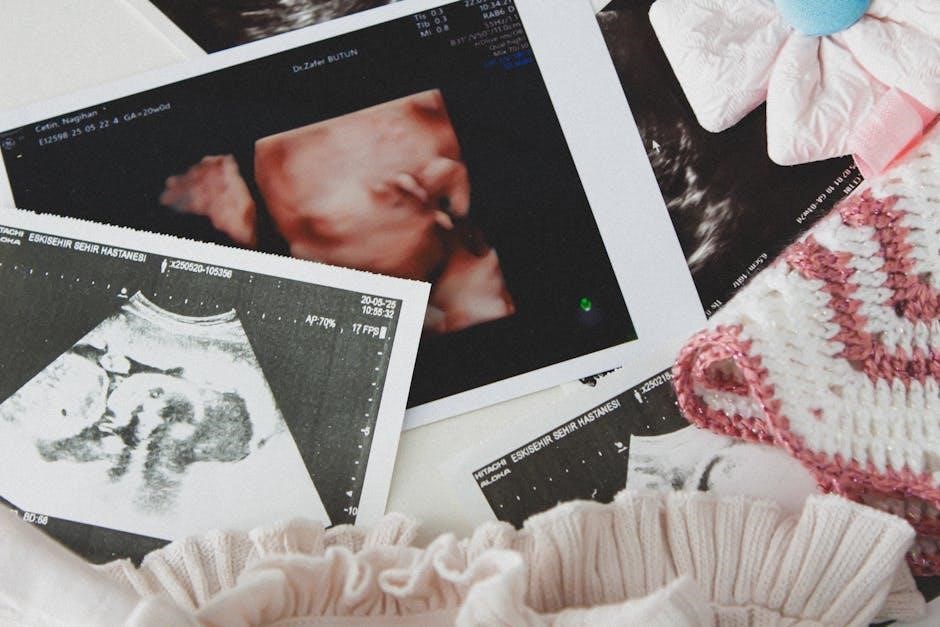
The real-time visualization empowers surgeons to navigate the anatomy with confidence, ensuring precise fat deposition within the safe confines of the subcutaneous space, ultimately enhancing both safety and aesthetic results.
Preventing Intramuscular Injection
The most significant risk associated with BBLs is fat embolism, often stemming from unintentional injection into the gluteal muscle. Ultrasound guidance directly addresses this danger by providing real-time visualization of the muscle layer. Surgeons can continuously monitor the cannula’s position, ensuring it remains entirely within the subcutaneous fat.
Without ultrasound, surgeons rely on tactile feel, which can be unreliable, especially in patients with varying body compositions. Ultrasound eliminates ambiguity, offering a clear visual confirmation of safe injection depth.
Any deviation towards the muscle is immediately apparent on the ultrasound screen, prompting the surgeon to adjust the cannula’s trajectory. This proactive approach drastically reduces the likelihood of intramuscular injection and subsequent complications.
Florida’s mandate for ultrasound use underscores its critical role in preventing this life-threatening error, establishing a higher standard of care and prioritizing patient safety during BBL procedures.

Benefits of Ultrasound-Guided BBL
Ultrasound guidance significantly reduces the risk of fat embolism, improves fat graft survival, and enhances precision for symmetrical results, making BBLs safer overall.
This technology allows surgeons to visualize fat placement, optimizing outcomes and minimizing complications, leading to increased patient satisfaction and confidence.
The enhanced safety profile and improved aesthetic results position ultrasound-guided BBL as the evolving standard of care in body contouring procedures.
Reduced Risk of Fat Embolism
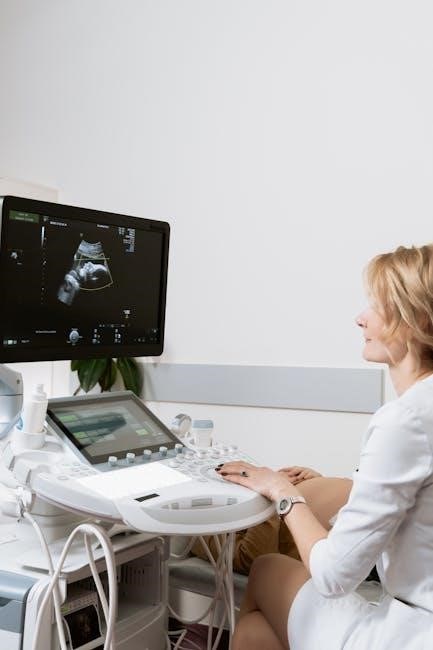
Fat embolism remains the primary cause of mortality in BBL procedures, occurring when fat enters the bloodstream and travels to the lungs or brain. Traditional BBL techniques, without ultrasound guidance, carried a significant risk of intramuscular injection – injecting fat directly into the gluteal muscle.
This intramuscular injection dramatically increases the likelihood of fat entering the venous system, leading to a potentially fatal embolism. Ultrasound technology allows surgeons to visualize the subcutaneous fat layer and the underlying muscle in real-time.
By confirming that fat is deposited only into the safe subcutaneous space, ultrasound guidance effectively minimizes the risk of intramuscular injection and, consequently, reduces the incidence of fat embolism. This precise placement is a game-changer for patient safety, offering a substantial improvement over traditional methods.
Surgeons can now confidently avoid injecting into blood vessels, safeguarding patients from this devastating complication and contributing to a significantly safer BBL experience.
Improved Fat Graft Survival Rates
Successful fat grafting relies on establishing a viable blood supply to the transferred fat cells. When fat is injected into the subcutaneous space, it requires immediate vascularization to survive and integrate with the surrounding tissue; Traditional BBL techniques sometimes resulted in inconsistent fat graft survival, leading to unpredictable results.
Ultrasound guidance enhances fat graft survival by allowing surgeons to precisely target areas with optimal blood flow. Visualizing the subcutaneous tissue in real-time enables them to identify and avoid areas of compromised circulation.
Furthermore, ultrasound helps ensure that the fat is deposited in an optimal layer, promoting better contact with existing blood vessels. This improved vascularization translates to a higher percentage of fat cells surviving the procedure, resulting in more predictable and long-lasting results.
Patients benefit from a more natural-looking and durable enhancement, reducing the need for revision surgeries and maximizing satisfaction.
Enhanced Precision and Symmetry
Achieving a natural and symmetrical result is a primary goal in BBL surgery. However, variations in anatomy and fat distribution can make it challenging to predict the final outcome accurately. Traditional techniques relied heavily on the surgeon’s tactile feel and visual assessment, which could be subjective.
Ultrasound guidance introduces a new level of precision to the fat grafting process. By visualizing the subcutaneous fat layers in real-time, surgeons can accurately assess volume and distribution, ensuring even placement of the grafts.
This allows for meticulous sculpting and contouring, addressing asymmetries and creating a balanced, harmonious silhouette. The ability to see the fat being deposited also minimizes the risk of overcorrection or undercorrection in specific areas.
Ultimately, ultrasound-guided BBL leads to more predictable and aesthetically pleasing results, enhancing patient confidence and satisfaction.
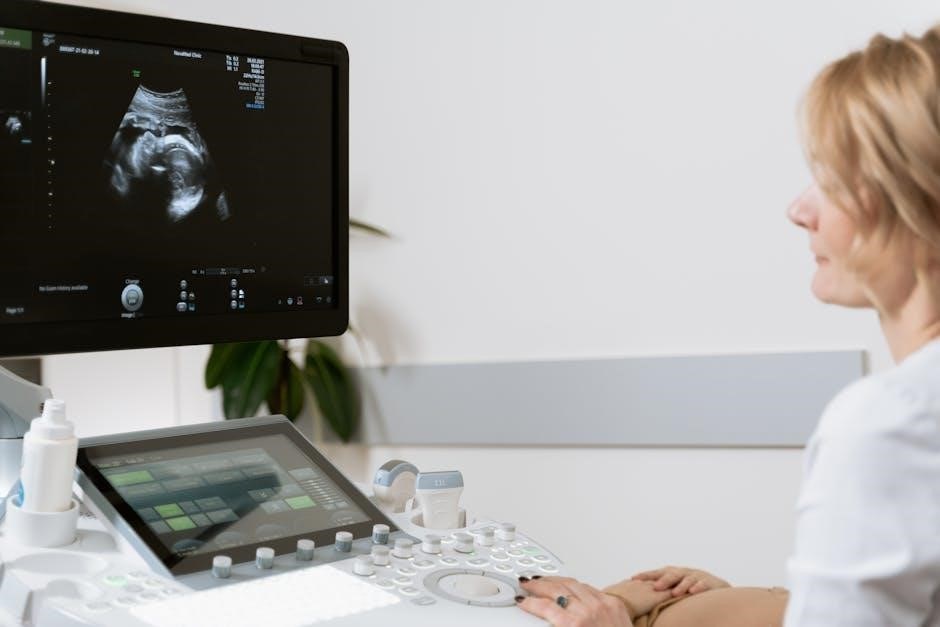
Florida’s Legislation on Ultrasound Guidance
Florida now requires ultrasound guidance for all BBL procedures, a landmark law designed to improve patient safety and minimize the risk of serious complications.
This legislation reflects a growing awareness of the dangers associated with improper fat injection techniques and a commitment to upholding higher surgical standards.
The mandate aims to ensure surgeons prioritize safe practices, specifically avoiding intramuscular injection, and promoting better outcomes for those seeking this procedure.
Mandatory Ultrasound Use in Florida
Florida has taken a proactive step in patient safety by enacting legislation that mandates the use of ultrasound guidance during all Brazilian Butt Lift (BBL) procedures performed within the state. This groundbreaking law directly addresses the serious risks associated with improper fat injection, specifically the potentially fatal complication of intravascular injection.
Prior to this legislation, ultrasound guidance was often left to the discretion of the surgeon. However, recognizing the critical role this technology plays in visualizing subcutaneous fat layers and preventing intramuscular injection, Florida lawmakers determined that it should be a non-negotiable component of every BBL surgery.
The law aims to ensure surgeons consistently demonstrate a commitment to patient safety by verifying correct fat placement, thereby significantly reducing the likelihood of fat embolisms and other life-threatening complications. This represents a significant shift towards a higher standard of care and a more regulated approach to BBL surgery in Florida.
This legislative action positions Florida as a leader in BBL safety, setting a precedent for other states to follow and potentially influencing national standards for this popular, yet inherently risky, cosmetic procedure.
Impact of the Law on BBL Safety
Florida’s mandatory ultrasound guidance law is already demonstrating a positive impact on BBL safety, fostering a more cautious and precise surgical environment. By requiring real-time visualization of fat placement, the legislation directly mitigates the risk of injecting fat into the gluteal muscle – a practice strongly linked to fatal fat embolisms.
Surgeons are now compelled to adhere to a higher standard of technique, consistently verifying subcutaneous fat layer injections. This increased accountability is expected to lead to a reduction in complications and improved patient outcomes across the state.
Furthermore, the law encourages surgeons to prioritize ongoing training and proficiency in ultrasound technology, ensuring they are equipped to utilize this tool effectively. This emphasis on skill development contributes to a more qualified and competent surgical workforce;
While challenges in enforcement may exist, the law’s symbolic importance in elevating BBL safety cannot be overstated, signaling a commitment to protecting patients and promoting responsible cosmetic surgery practices.
Surgeon Expertise and Ultrasound Guidance
A skilled surgeon’s expertise is paramount, even with ultrasound; proper technique and anatomical knowledge are vital for safe, effective BBL procedures and optimal results.
Patients should inquire about the surgeon’s BBL experience, specifically their ultrasound proficiency, and confirm a commitment to subcutaneous fat injection only.
Hesitation regarding these questions is a significant warning sign, emphasizing the need for a surgeon who prioritizes safety and transparency above all else.
Importance of a Skilled Surgeon
While ultrasound guidance represents a significant leap forward in BBL safety, it is not a substitute for a highly skilled and experienced surgeon. The technology is a tool, and its effectiveness is entirely dependent on the surgeon’s anatomical knowledge, surgical technique, and commitment to patient safety.
A surgeon who frequently performs BBL procedures is more likely to be current on the latest safety protocols and best practices. They will possess a deep understanding of facial planes, fat grafting principles, and potential complications. This experience allows them to interpret ultrasound images accurately and make informed decisions during the procedure.
Furthermore, a skilled surgeon will prioritize a thorough patient evaluation, including a detailed medical history and physical examination, to assess individual risk factors. They will openly discuss the potential risks and benefits of the BBL and ensure the patient has realistic expectations. Choosing a board-certified plastic surgeon with extensive BBL experience is the first and most crucial step towards a safe and successful outcome.
Questions to Ask Your Surgeon About Ultrasound Use
When consulting with a surgeon about a Brazilian Butt Lift, it’s vital to proactively inquire about their ultrasound guidance protocol. Don’t hesitate to ask: “What is your specific technique for fat injection?” The ideal response should unequivocally state they inject only into the subcutaneous fat layer – the space directly above the muscle.
A red flag is any hesitation or ambiguity regarding this critical point. Confirm they never inject into the gluteal muscle, as this practice significantly increases the risk of fat embolism. Follow up by directly asking: “Do you use ultrasound guidance during the injection phase?”
Further, inquire about their experience with the technology. How long have they been using ultrasound for BBLs? What training have they received? Understanding their proficiency will provide reassurance and demonstrate their commitment to utilizing this game-changing safety measure. A transparent and detailed response indicates a surgeon prioritizing patient well-being.
Current BBL Mortality Rates & Misconceptions
Despite safety measures, BBL mortality rates are often underestimated, with many believing experience alone negates risk; ultrasound guidance is now vital for safer outcomes.
Fat embolism remains the primary cause of fatalities, yet accurate mortality rate estimations are surprisingly rare among medical professionals and the general public.
The evolving standard of care increasingly emphasizes ultrasound as a necessary component, shifting away from reliance on surgeon experience alone for patient protection.
Underestimation of BBL-Related Risks
A significant issue surrounding Brazilian Butt Lift (BBL) procedures is the pervasive underestimation of inherent risks, even amongst those within the medical community. Recent surveys reveal a startling disconnect between perceived and actual mortality rates associated with the surgery. Many professionals incorrectly believe that a highly experienced surgeon automatically mitigates all potential dangers, leading to a diminished focus on implementing additional safety protocols.
This misconception is particularly concerning given that fat embolism remains the leading cause of BBL-related deaths. The belief that skill alone can prevent this complication overlooks the critical role of anatomical visualization. Ultrasound guidance, now increasingly recognized as essential, directly addresses this gap by allowing surgeons to precisely visualize the injection site and definitively avoid intravascular injection.
The data clearly demonstrates that a substantial portion of respondents significantly underestimate the true mortality rate, highlighting a critical need for improved education and awareness regarding the potential severity of BBL complications; This underestimation contributes to a potentially dangerous complacency and underscores the importance of adopting technologies like ultrasound to enhance patient safety.
The Evolving Standard of Care
The standard of care for Brazilian Butt Lift (BBL) procedures is undergoing a significant transformation, driven by increasing awareness of the risks and the demonstrable benefits of ultrasound guidance. Historically, surgeon experience was considered the primary safeguard, but this approach is now widely recognized as insufficient to consistently prevent potentially fatal complications like fat embolism.
The introduction of ultrasound technology represents a paradigm shift, moving beyond reliance on tactile feel and anatomical knowledge to provide real-time visualization of the injection site. This allows surgeons to definitively confirm that fat is being deposited into the subcutaneous layer, safely above the muscle, and not inadvertently into a blood vessel.
Florida’s legislative mandate for ultrasound use further solidifies this evolving standard, signaling a commitment to prioritizing patient safety. As more surgeons adopt this technology and demonstrate improved outcomes, ultrasound guidance is poised to become the universally accepted best practice for BBL procedures, ensuring a safer experience for patients.