
GAPS Diet Meal Plan PDF: A Comprehensive Guide
Discover a 100-recipe PDF, meticulously organized by the GAPS diet’s six stages, offering simple, delicious meals. This guide prioritizes gut healing,
inflammation reduction, and easy navigation for optimal digestive support and protocol compliance.
Understanding the GAPS Diet
The GAPS (Gut and Psychology Syndrome) diet is a nutritional protocol designed to heal the gut lining and, consequently, address a wide range of neurological and psychological conditions. It’s rooted in the belief that a compromised gut flora contributes significantly to these issues. A comprehensive GAPS diet meal plan PDF serves as an invaluable resource for navigating this complex dietary approach.
This diet isn’t merely about eliminating foods; it’s a staged process of reintroduction, carefully building gut health. The PDF guides users through these stages, starting with easily digestible foods like bone broth and gradually incorporating more complex options. Understanding the rationale behind each stage – the ‘why’ as well as the ‘what’ – is crucial for success. The meal plan PDF typically categorizes foods into healing, moderate, and gut-irritating groups, simplifying food choices.

Furthermore, a well-structured PDF emphasizes digestive support, inflammation reduction, and strict adherence to GAPS nutritional principles. It’s a tool for empowering individuals to take control of their gut health and overall well-being.
What is the GAPS Diet?
The GAPS Diet, short for Gut and Psychology Syndrome, is a nutritional therapy aiming to heal the gut lining and restore a healthy gut microbiome. A detailed GAPS diet meal plan PDF is central to implementing this protocol effectively. It’s based on the premise that gut health profoundly impacts brain function and mental well-being.
This dietary approach eliminates foods that can irritate the gut, such as processed foods, refined sugars, and grains. The PDF guides users through six stages, beginning with the most easily digestible options – like bone broth – and progressively introducing more complex foods as gut health improves. The core principle is to nourish the gut flora and reduce inflammation.
A comprehensive PDF will categorize foods as ‘Enjoyed’ (gut-healing), ‘Introduced’ (carefully re-introduced), and ‘To Avoid’ (potentially irritating). It’s a structured plan, not a restrictive diet, designed to rebuild gut integrity and support overall health.
The Six Stages of the GAPS Diet
expands options with egg yolks and introduces fats.
Stages 3 & 4 gradually incorporate lightly cooked, then cooked and raw vegetables and fruits, assessing tolerance. Stage 5 introduces more complex foods like full eggs, nuts, and seeds, carefully monitoring reactions. Finally, Stage 6 (Full GAPS) allows for a wider variety, including properly prepared grains and legumes, focusing on maintenance and expansion.
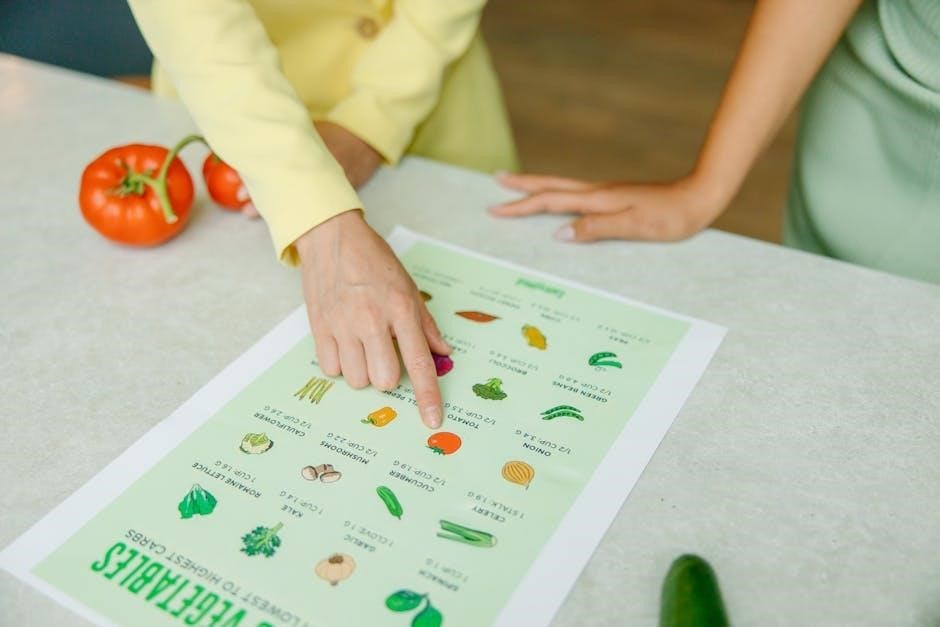
Each stage in a good PDF will feature specific recipes for breakfast, lunch, dinner, and snacks, ensuring a balanced and manageable approach. Progression between stages is individualized, based on symptom improvement and digestive tolerance, guided by the PDF’s clear structure.
Stage 1 of a GAPS diet meal plan PDF is the most restrictive, yet fundamentally vital, focusing on deeply nourishing and easily digestible foods. This initial phase prioritizes rebuilding the gut lining, minimizing inflammation, and reducing the burden on the digestive system. Core components include freshly made bone broth – a cornerstone for healing – alongside meat stocks and well-cooked, pureed meats.
A comprehensive PDF will detail precise broth-making instructions and suggest simple meat preparations. Fats are introduced cautiously, primarily from rendered animal fats. The goal is to provide maximum nutrition with minimal digestive effort. This stage typically lasts 2-3 weeks, or until significant symptom improvement is observed.
Recipes in a quality PDF will be extremely limited, emphasizing simplicity and focusing on foundational gut-healing nutrients. Patience is key during Stage 1, as it sets the stage for successful progression through the subsequent phases.
Stage 2 of a GAPS diet meal plan PDF builds upon the foundation laid in Stage 1, cautiously introducing new foods to assess tolerance. While still restrictive, this phase allows for greater variety, supporting continued gut healing and nutrient absorption. Egg yolks are typically introduced, providing valuable fats and choline, alongside more fully cooked meats and gently simmered vegetables.
A well-structured PDF will guide users through the introduction process, emphasizing slow and deliberate additions. Fermented foods, like water kefir, may be cautiously introduced to begin repopulating the gut with beneficial bacteria. Recipes will remain simple, focusing on gentle cooking methods like steaming and poaching.
This stage typically lasts several weeks, with progression dependent on individual tolerance. The PDF should offer guidance on recognizing and addressing any adverse reactions, ensuring a safe and effective transition.
Stage 3: Lightly Cooked Vegetables & Fruits
Stage 3 within a GAPS diet meal plan PDF marks a significant step forward, introducing lightly cooked vegetables and small amounts of fruit. This phase aims to further challenge the digestive system while continuing to nurture gut healing. Vegetables like carrots, beets, and parsnips, gently steamed or baked, become staples, providing essential vitamins and minerals.
Fruits are introduced cautiously, starting with small portions of applesauce or baked apples, prioritizing those lower in fructose. The PDF should emphasize thorough chewing and mindful eating to aid digestion. Recipes will expand to include simple purees and compotes, utilizing these newly permitted ingredients.
Careful monitoring for any reactions remains crucial. The guide will likely detail how to assess tolerance and adjust food quantities accordingly, ensuring a personalized approach to the GAPS protocol.
Stage 4: Cooked & Raw Vegetables & Fruits
Stage 4 of a GAPS diet meal plan PDF broadens dietary horizons by incorporating both cooked and raw vegetables and fruits. This stage builds upon Stage 3, gently increasing the digestive workload. Raw vegetables, like grated carrots or zucchini, are introduced in small quantities, alongside continued consumption of lightly cooked options like steamed broccoli or squash.
Fruit choices expand to include berries and other low-fructose varieties, still emphasizing moderation. The PDF will likely feature recipes utilizing these ingredients in salads, smoothies (if tolerated), and simple desserts. It’s crucial to prioritize organic produce whenever possible to minimize exposure to pesticides.
The guide should reiterate the importance of observing individual tolerance levels and adjusting portion sizes accordingly, maintaining a focus on gut healing and minimizing inflammation.
Stage 5: Introducing More Complex Foods
Stage 5 within a GAPS diet meal plan PDF marks a significant step forward, cautiously introducing more complex carbohydrates and proteins. This phase builds on the foundation established in earlier stages, carefully assessing tolerance. Full-fat, properly prepared egg yolks may be introduced, alongside small amounts of liver and other organ meats – vital for nutrient density.
The PDF will likely include recipes featuring properly soaked and cooked grains like quinoa or buckwheat, introduced in very small portions. Fermented foods, like water kefir or coconut yogurt (if dairy-free), become more prominent, supporting gut microbiome diversity.
Continued emphasis is placed on observing individual reactions and adjusting the diet accordingly. The guide should stress the importance of slow introduction and mindful eating, prioritizing gut health and minimizing potential flare-ups.
Stage 6: Full GAPS Diet – Maintenance & Expansion
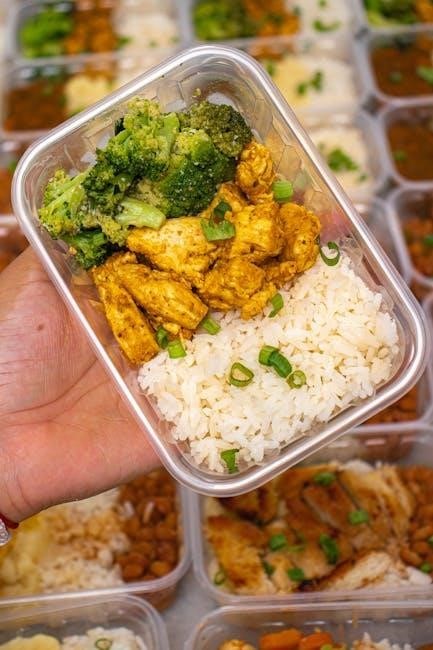
Stage 6, detailed in a comprehensive GAPS diet meal plan PDF, signifies reaching the full protocol and focuses on long-term maintenance and gradual expansion. This isn’t a rigid endpoint, but a flexible framework for continued gut healing and overall wellness. The PDF will showcase a wider variety of nutrient-dense foods, including properly prepared legumes and a broader range of fruits and vegetables.
Emphasis shifts towards identifying individual sensitivities and tailoring the diet for optimal health. Recipes will demonstrate creative ways to incorporate GAPS-legal ingredients, ensuring a diverse and enjoyable eating experience.
The guide will likely offer strategies for reintroducing foods previously excluded, using a careful and methodical approach. Continued focus on fermented foods, quality fats, and organic produce remains crucial for sustained gut health and immune function.
GAPS Diet Meal Plan PDF: Recipe Breakdown
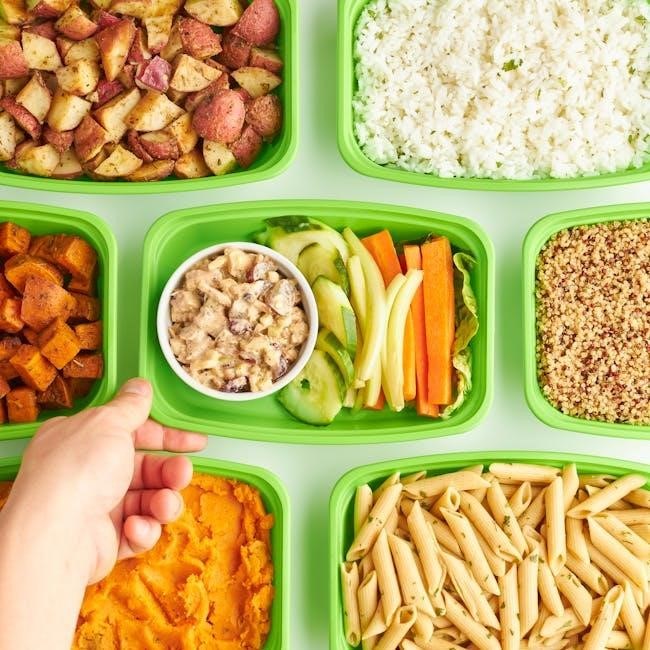
Explore a PDF featuring 100 recipes, categorized by each GAPS stage—breakfast, lunch, dinner, and snacks—for easy planning. Simple ingredients and clear directions are included.
Total Recipes Included in a Typical PDF
A comprehensive GAPS Diet Meal Plan PDF generally boasts a substantial collection of recipes, typically totaling around 100 distinct culinary creations. This extensive number ensures variety and sustained adherence to the dietary protocol throughout all six stages of the GAPS journey. The inclusion of this many recipes is designed to prevent mealtime monotony and provide ample options for individuals with diverse tastes and preferences.
The sheer volume of recipes allows for flexibility in meal planning, accommodating different dietary needs and ingredient availability. Furthermore, a well-structured PDF will distribute these recipes evenly across each stage, ensuring that individuals have sufficient choices as they progress through the introduction phases. This abundance of recipes is a key feature, contributing to the overall success and sustainability of the GAPS Diet.
Recipe Organization by Stage
A well-designed GAPS Diet Meal Plan PDF meticulously organizes recipes chronologically, aligning with the diet’s six progressive stages – from Stage 1’s foundational introduction to Stage 6’s full dietary implementation. This staged approach is crucial for optimal gut healing, allowing the digestive system to gradually adapt to new foods.
Within each stage, recipes are further categorized into breakfast, lunch, dinner, and snacks, streamlining meal planning and ensuring balanced nutrition. This clear breakdown simplifies the process of adhering to the diet, making it easier to identify appropriate meal options for any time of day. The organization isn’t merely structural; it’s a pedagogical tool, guiding users through the GAPS protocol with clarity and purpose. This systematic arrangement maximizes the diet’s effectiveness and minimizes confusion.
Breakfast Recipes Across Stages
The GAPS Diet Meal Plan PDF features a diverse range of breakfast recipes, evolving in complexity alongside the diet’s stages. Stage 1 breakfasts typically center around easily digestible options like bone broth, gently introducing nourishment to the gut. As you progress, Stage 2 might include slowly introduced egg yolks or well-cooked meats.
Subsequent stages expand breakfast possibilities to encompass lightly cooked fruits, then cooked and raw vegetables, gradually reintroducing a wider variety of nutrients. Later stages incorporate more complex options, potentially including GAPS-compliant pancakes or porridge made with allowed grains. The PDF ensures each breakfast recipe aligns with the current stage’s dietary restrictions, supporting continued gut healing. Recipes prioritize simple preparation and readily available ingredients, making mornings manageable while adhering to the GAPS protocol.
Lunch Recipes Across Stages
The GAPS Diet Meal Plan PDF provides a structured progression of lunch recipes, mirroring the diet’s staged approach to gut healing. Initial Stage 1 lunches focus on liquid nourishment, primarily bone broth, to minimize digestive stress. Stage 2 introduces gently cooked and pureed meats and vegetables, building tolerance gradually.
As you advance through Stages 3 and 4, lunch options expand to include lightly cooked and then fully cooked vegetables, alongside compliant protein sources. Later stages, 5 and 6, offer more substantial meals, potentially incorporating salads with approved dressings or soups featuring a wider range of ingredients. The PDF emphasizes simplicity and accessibility, utilizing everyday ingredients for easy preparation. Each recipe is carefully designed to support gut repair and minimize inflammation, aligning with the GAPS nutritional principles throughout each stage.
Dinner Recipes Across Stages
The GAPS Diet Meal Plan PDF’s dinner recipes are thoughtfully curated to support the healing process at each stage. Stage 1 dinners, like lunches, center around easily digestible bone broth, providing essential nutrients without overburdening the gut. Stage 2 introduces pureed meats and vegetables, slowly expanding dietary variety.
Progressing through Stages 3-4, dinners incorporate lightly cooked and then fully cooked vegetables alongside compliant proteins, building digestive strength. Stages 5 and 6 unlock more complex meals, potentially including stews, casseroles, or roasted meats with approved sides. The PDF prioritizes simple recipes using readily available ingredients, ensuring ease of preparation. Each dinner recipe is designed to minimize inflammation and promote gut repair, adhering strictly to GAPS nutritional guidelines throughout the entire dietary progression.
Snack Recipes Across Stages
The GAPS Diet Meal Plan PDF recognizes the importance of strategic snacking for maintaining stable blood sugar and supporting gut healing. Stage 1 snacks primarily consist of bone broth, offering readily available nutrients in the most easily digestible form. As you progress to Stage 2, snacks might include small portions of pureed meats or vegetables, continuing to nourish the gut gently.
Stages 3-4 introduce lightly cooked and then fully cooked vegetable sticks, alongside compliant fruit purees. Later stages, 5 and 6, expand snack options to include things like fermented vegetables, compliant fruit with nut butter (when introduced), or small portions of leftover dinner. The PDF emphasizes simple, quick-to-prepare snacks that avoid gut irritants and contribute to overall healing, always adhering to the GAPS protocol’s principles of food introduction and digestive support.
Key Features of a GAPS Diet PDF Guide
Essential features include gut-healing categorization, digestive support, inflammation reduction, an easy-to-follow system, and full GAPS nutritional protocol compliance for optimal results.
Gut-Healing Food Categorization
A cornerstone of any effective GAPS Diet PDF guide is a clear categorization of foods based on their impact on gut health. This isn’t simply a “good” or “bad” food list; instead, it’s a nuanced system designed to support the healing process at each stage. Typically, these guides divide foods into three key categories: healing, moderate, and gut-irritating.
Healing foods, forming the foundation of the early stages, are those readily digestible and actively contribute to gut lining repair – think bone broth, well-cooked vegetables, and certain fermented foods. Moderate foods are introduced gradually as the gut heals, offering increased nutritional variety while still being gentle on the digestive system. Finally, gut-irritating foods, such as processed sugars, grains, and many legumes, are strictly avoided, especially during the initial phases, as they can exacerbate inflammation and hinder healing.
This categorization isn’t static; a food considered moderate in Stage 3 might become healing in Stage 6. A well-designed PDF will clearly illustrate these transitions, empowering users to make informed choices throughout their GAPS journey.
Digestive Support & Food Choices
A crucial aspect of a GAPS Diet PDF is its focus on digestive support through carefully selected food choices. The diet prioritizes foods that are easily broken down and absorbed, minimizing the burden on a compromised gut. This begins with nutrient-dense options like bone broth, renowned for its collagen and amino acids, which directly support gut lining repair.
The PDF should guide users towards foods that soothe inflammation, such as well-cooked vegetables and healthy fats. Conversely, it emphasizes avoiding foods known to irritate the gut, including processed foods, refined sugars, and grains, which can trigger inflammatory responses. Proper food preparation is also key – gentle cooking methods like steaming or poaching are favored over harsh frying or baking.
Furthermore, a comprehensive guide will explain why certain foods are recommended or restricted, fostering a deeper understanding of the diet’s principles and empowering individuals to tailor their food choices to their specific needs and tolerances.
Inflammation Reduction Strategies
A key benefit of a GAPS Diet PDF lies in its strategic approach to inflammation reduction. The diet inherently minimizes inflammatory triggers by eliminating processed foods, refined sugars, and grains – common culprits in gut-related inflammation. Instead, it champions nutrient-dense, whole foods rich in anti-inflammatory compounds.
The PDF should highlight foods like omega-3 fatty acids (found in fatty fish and flaxseeds), which are known to quell inflammation. It should also emphasize the importance of incorporating colorful fruits and vegetables packed with antioxidants, protecting cells from damage. Fermented foods, a cornerstone of the GAPS diet, further contribute by promoting a healthy gut microbiome, crucial for immune regulation and reduced inflammation.
Moreover, the guide should offer practical advice on food preparation methods that preserve nutrient integrity and minimize inflammatory responses, such as gentle cooking techniques and avoiding processed oils.
Easy-to-Follow System & Layout
A successful GAPS Diet PDF prioritizes user-friendliness with a clear and intuitive system. The ideal layout dedicates one recipe per page, presenting ingredients in a concise list and providing step-by-step directions that are easily digestible – even for novice cooks. This eliminates clutter and streamlines the cooking process.
The PDF’s organization should mirror the GAPS stages, allowing users to seamlessly progress through the diet. A simple, three-category format – identifying healing, moderate, and gut-irritating foods – offers quick reference during meal planning and grocery shopping. Visual cues, like color-coding or icons, can further enhance clarity.
Furthermore, a well-designed PDF includes a comprehensive table of contents and potentially an index, enabling users to quickly locate specific recipes or information. This ensures a smooth and stress-free experience.
GAPS Nutritional Protocol Compliance
A trustworthy GAPS Diet Meal Plan PDF meticulously adheres to the GAPS nutritional principles, ensuring every included recipe aligns with the protocol’s guidelines. This means careful selection of ingredients, avoiding those known to exacerbate gut issues or inflammation, and prioritizing foods that support gut healing and nutrient absorption.
The PDF should clearly indicate why each ingredient is permissible within the GAPS framework, reinforcing the user’s understanding of the diet’s rationale. Recipes should avoid grains, processed sugars, refined oils, and other commonly restricted items. Modifications, like dairy exclusion, should be explicitly stated if present.
Crucially, the guide should emphasize the importance of sourcing high-quality, organic ingredients whenever possible, as this further supports the diet’s healing objectives. Compliance isn’t just about what you eat, but how it’s sourced.
Essential Foods on the GAPS Diet
Enjoy a gut-healing list of 30+ foods, including bone broth and fermented options, crucial for GAPS success. These nourish, repair, and support digestive wellness.
Enjoyed Foods (Gut-Healing List)
The GAPS diet centers around nourishing the gut with easily digestible, nutrient-dense foods. This list, featuring over 30 items, forms the foundation of healing. Core components include homemade bone broth – a cornerstone for gut lining repair – and naturally fermented foods like sauerkraut, kimchi, and kefir (if dairy is tolerated, or coconut kefir as a substitute).
Meat and poultry, ideally organic and pasture-raised, provide essential proteins and fats. Healthy fats are crucial, encompassing sources like avocado, olive oil, and coconut oil. Vegetables, initially well-cooked and progressing to raw as tolerance improves, offer vital vitamins and minerals. Fruits, introduced later in the stages, provide natural sweetness and antioxidants.
Eggs are a fantastic protein source, and certain fats like ghee are permitted. The focus is on whole, unprocessed foods, avoiding anything that could further irritate the gut. This carefully curated list supports the body’s natural healing processes, paving the way for improved digestion and overall health.