The Lion, the Witch and the Wardrobe PDF: A Comprehensive Guide
Finding a PDF version of “The Lion, the Witch and the Wardrobe” is common, with options ranging from legitimate online stores to free digital libraries like ettron.com and royallib.com.
Numerous websites offer downloads in formats like fb2, epub, and txt, catering to various devices, including Android, iPhone, and iPad, for convenient reading experiences.
However, always prioritize legal sources to support the author and ensure a quality, ad-free reading experience, avoiding potential copyright infringements.
Availability of PDF Versions
The digital landscape offers a wealth of options for accessing “The Lion, the Witch and the Wardrobe” in PDF format. Numerous websites cater to readers seeking this classic tale electronically, reflecting its enduring popularity. Platforms like ettron.com specifically list the book as available for PDF download, indicating a readily accessible source.
Beyond dedicated download sites, online libraries such as royallib.com provide access to the novel in various formats, including PDF, alongside options like fb2 and epub. This expands the possibilities for readers preferring different file types or reading devices. The availability isn’t limited to direct downloads; many sites, including fb2.top, offer the full text for online reading directly within a web browser, eliminating the need for a download altogether.
It’s important to note that while free options abound, the quality and legality can vary. Some sites may host unauthorized copies, while others offer legitimate access through partnerships or public domain status. The proliferation of flip PDFs, as indicated by search results, suggests a widespread distribution of the book in digital form, further highlighting its accessibility.
Legitimate Sources for PDF Downloads
When seeking a PDF version of “The Lion, the Witch and the Wardrobe,” prioritizing legitimate sources is crucial for supporting the author and ensuring a high-quality reading experience. Major online booksellers, such as Amazon and Barnes & Noble, frequently offer the novel in PDF format for purchase, guaranteeing a legally obtained copy.
Additionally, digital lending libraries, like those accessible through OverDrive or Libby, often include “The Lion, the Witch and the Wardrobe” in their collections, allowing readers to borrow the PDF version with a library card. This provides a free and legal avenue for access. Publishers themselves may also offer direct PDF downloads through their websites, particularly during promotional periods.
While sites like royallib.com offer free downloads, verifying the source’s legitimacy is advisable. Opting for established retailers or library services minimizes the risk of encountering unauthorized copies or malware. Purchasing a PDF ensures you receive a properly formatted, ad-free version, contributing to the continued creation of beloved literary works.
Free Online Reading Options
For readers seeking to enjoy “The Lion, the Witch and the Wardrobe” without a direct PDF download, several websites offer free online reading experiences. FB2.top provides a convenient platform to read the complete novel directly in your web browser, eliminating the need for downloads or installations.
Furthermore, platforms like ManyBooks and Project Gutenberg sometimes host digitized versions of classic literature, potentially including C.S. Lewis’s masterpiece. These sites typically offer multiple reading formats, including options suitable for various devices. However, availability can vary due to copyright restrictions.
It’s important to note that while these options are free, they may include advertisements or require account creation. Websites offering flip PDF versions, like those found through a general web search, present another avenue for online reading, though the quality and legality of these sources can differ. Always exercise caution and prioritize reputable platforms when accessing content online.
Royallib.com as a Source
The website’s interface is designed for easy navigation, allowing users to quickly locate and download the desired file format. Royallib.com’s strength lies in its focus on providing a comprehensive collection of literary works, making it a reliable resource for classic novels like this one.
However, users should be aware that, as with any free download site, it’s prudent to have updated antivirus software installed. While Royallib.com generally maintains a safe browsing experience, exercising caution is always recommended. The availability of specific formats may also vary over time, but the core text remains consistently accessible.
FB2.top for Online Reading and FB2 Download
FB2.top presents itself as a convenient platform for both reading “The Lion, the Witch and the Wardrobe” online and downloading it in the FB2 format. This is particularly useful for readers who prefer the reflowable text capabilities of the FB2 ebook standard, allowing for adjustable font sizes and layouts on various devices.

The website offers a full version of the book, accessible directly within the browser, eliminating the need for immediate download. For those who prefer offline reading, the FB2 download option is readily available, enabling access on dedicated ebook readers or software. FB2.top’s interface is straightforward, prioritizing ease of access to the novel’s content.
It’s important to note that, like other online reading platforms, FB2.top may contain advertisements. Users should also exercise standard online safety precautions, ensuring their antivirus software is up-to-date before downloading any files. The site provides a quick and accessible route to enjoying Lewis’s classic tale.
Synopsis and Key Plot Points
The story unfolds as the Pevensie children discover Narnia through a magical wardrobe, encountering a land under the White Witch’s icy grip and awaiting Aslan’s return.
Edmund’s betrayal and Aslan’s ultimate sacrifice form pivotal moments, culminating in an epic battle for Narnia’s freedom and the restoration of its rightful rulers.
The Discovery of Narnia Through the Wardrobe
The narrative’s enchanting beginning centers around the Pevensie siblings – Peter, Susan, Edmund, and Lucy – evacuated to the countryside during World War II; While exploring their new, spacious home, Lucy stumbles upon a peculiar wardrobe in an unused room. Driven by curiosity, she steps inside, expecting to find merely coats, but instead, finds herself transported to a snow-covered forest.
This isn’t just any forest; it’s Narnia, a land locked in perpetual winter by the evil White Witch. Lucy encounters Mr. Tumnus, a faun, who reveals the Witch’s oppressive rule and the hope for Aslan’s return. Initially disbelieved by her siblings, Lucy persists in sharing her incredible experience, eventually leading them to cautiously follow her back through the wardrobe.
The wardrobe serves as a portal, a gateway between the mundane world and the magical realm of Narnia. Each journey through it marks a deeper immersion into a world of mythical creatures, talking animals, and a looming battle between good and evil. The discovery isn’t merely geographical; it’s a journey into faith, courage, and the power of belief.
Edmund’s Journey to the White Witch
Driven by selfishness and a craving for Turkish Delight, Edmund succumbs to the White Witch’s manipulative charm during a subsequent visit to Narnia. He secretly follows his siblings through the wardrobe, but instead of joining them, he ventures off and encounters the Witch, who exploits his desires with enchanted sweets and promises of power.
The Witch skillfully preys on Edmund’s vulnerabilities, offering him a position as a prince if he brings his siblings to her. Blinded by greed and a desire for control, Edmund betrays his family, leading them into a dangerous trap. His journey represents a fall from grace, a descent into temptation and deceit.
This path leads him to the Witch’s castle, where he experiences a fleeting sense of luxury but is ultimately held captive, his fate hanging in the balance. Edmund’s actions have dire consequences, jeopardizing not only his own life but also the future of Narnia, setting the stage for a dramatic confrontation and eventual redemption.
Aslan’s Arrival and the Battle for Narnia
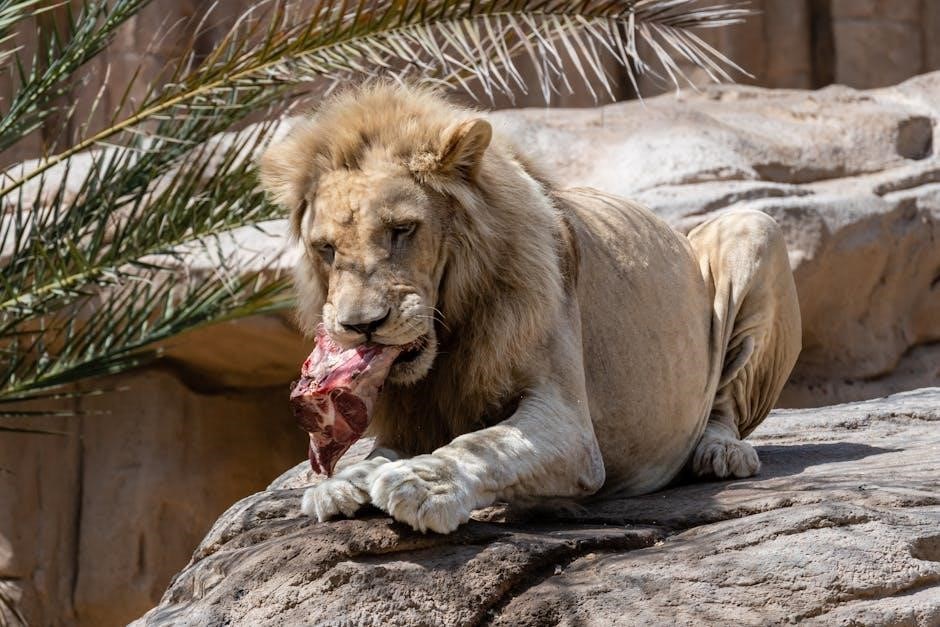
The arrival of Aslan, the Great Lion, signals a turning point in the struggle against the White Witch’s eternal winter. His presence instills hope in the Narnians and rallies them to prepare for a decisive battle. Aslan’s power and majesty are immediately apparent, inspiring loyalty and courage in all who behold him.
He negotiates with the Witch, offering a deal to spare Edmund’s life, but the Witch demands Edmund as her rightful due, invoking the Deep Magic. Aslan secretly arranges a sacrifice, allowing himself to be captured and killed by the Witch to fulfill the ancient laws and save Edmund from certain doom.
However, Aslan’s sacrifice is not the end, but a prelude to a greater victory. Through the deeper magic from before the dawn of time, he is resurrected, stronger than before, and leads the forces of good against the Witch’s army in a climactic battle, ultimately breaking her power and restoring spring to Narnia.
Characters and Their Significance
The Pevensie children—Lucy, Edmund, Susan, and Peter—are central to the narrative, each undergoing significant growth. Aslan embodies goodness, while the White Witch represents evil, driving the plot forward.
These characters’ journeys explore themes of courage, redemption, and faith, shaping the destiny of Narnia and impacting readers profoundly.
Lucy Pevensie: The First Explorer
Lucy Pevensie stands as the initial discoverer of Narnia, bravely stepping through the magical wardrobe and venturing into a world unknown. Her innocent curiosity and unwavering belief are pivotal to the unfolding narrative. She encounters Mr. Tumnus, the Faun, establishing the fantastical nature of this hidden realm.
Unlike her siblings, Lucy readily accepts the reality of Narnia, demonstrating a childlike faith that becomes a cornerstone of the story’s themes. She’s often the first to perceive Aslan’s presence and the power of good within the land. Her initial reports are met with skepticism, highlighting the challenge of believing in the unbelievable.
Despite the disbelief, Lucy remains steadfast in her conviction, embodying courage and a pure heart. She consistently seeks to understand and help those she encounters, showcasing a compassionate nature. Lucy’s journey is one of unwavering faith and serves as a catalyst for the adventures that follow, ultimately proving the truth of Narnia to her family and beyond. Her initial exploration sets the entire plot in motion.
Edmund Pevensie: Redemption and Transformation
Edmund’s character arc is arguably the most complex of the Pevensie siblings, beginning with selfishness and ultimately culminating in profound redemption. Initially, he succumbs to the White Witch’s temptations, lured by the promise of Turkish Delight and power. He betrays his siblings, leading them into danger and aligning himself with evil.
His journey to the Witch’s house marks a significant turning point, showcasing his vulnerability and poor judgment. However, Edmund’s eventual rescue by Aslan and the subsequent sacrifice made on his behalf are crucial to his transformation. Witnessing Aslan’s willingness to die for him awakens a sense of remorse and guilt.
Through Aslan’s intervention and the love of his siblings, Edmund learns the value of loyalty, courage, and selflessness. He actively participates in the battle against the White Witch, demonstrating his newfound commitment to good. His redemption isn’t simply forgiveness, but a genuine change of heart, making him a valuable ally and a testament to the power of grace.
Aslan: The Great Lion and Savior
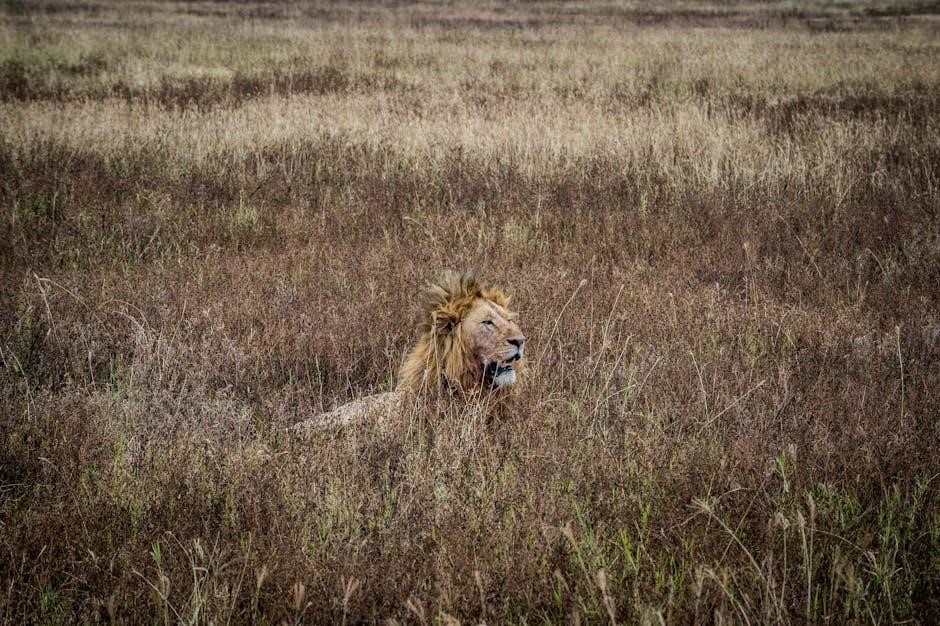
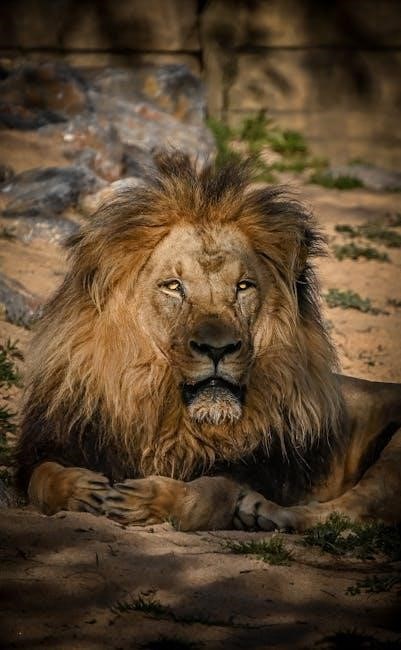
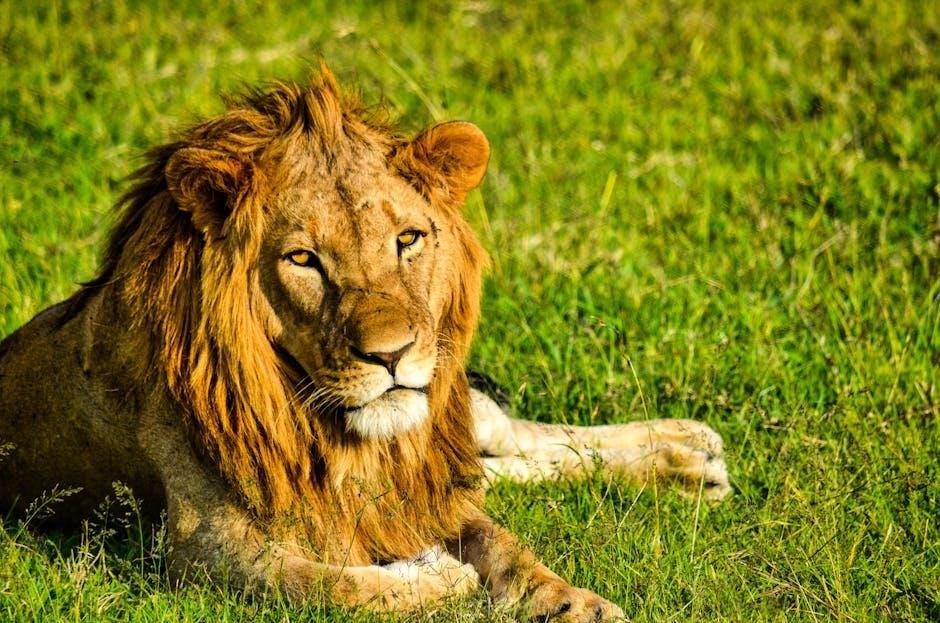
Aslan is the central, Christ-like figure in “The Lion, the Witch and the Wardrobe,” embodying goodness, power, and ultimate sacrifice. He is described as the “Great Lion,” a majestic and awe-inspiring being who rules over Narnia with wisdom and compassion. His arrival signals hope and the promise of liberation from the White Witch’s eternal winter.
The narrative emphasizes Aslan’s inherent goodness and his deep love for Narnia and its inhabitants. He willingly offers himself as a sacrifice to save Edmund, fulfilling the ancient laws and breaking the Witch’s power over the land. This act mirrors the Christian concept of atonement, highlighting Aslan’s role as a savior figure.
His resurrection further solidifies his divine nature and demonstrates the triumph of good over evil. Aslan leads the forces of Narnia to victory against the White Witch, restoring spring and ushering in an era of peace and prosperity. He represents unwavering faith, courage, and the ultimate power of love and forgiveness.
The White Witch: The Antagonist and Her Reign
The White Witch, Jadis, is the primary antagonist in “The Lion, the Witch and the Wardrobe,” representing evil, cruelty, and the forces of darkness. She has plunged Narnia into a perpetual winter, ruling with an iron fist and suppressing all joy and freedom. Her power stems from ancient magic and a deep-seated hatred for all things good.
Jadis delights in controlling and manipulating others, using fear and deception to maintain her dominion. She tempts Edmund with Turkish Delight and promises of power, exploiting his weaknesses and turning him against his siblings. Her reign is characterized by oppression, injustice, and the silencing of any opposition.
The Witch’s ultimate goal is to maintain her control over Narnia and prevent the fulfillment of the prophecy that foretells her downfall. She fears Aslan’s return, recognizing him as the only being capable of challenging her authority. Her defeat symbolizes the triumph of good over evil and the restoration of hope to the land.
Themes Explored in the Novel
“The Lion, the Witch and the Wardrobe” deeply explores universal themes like good versus evil, sacrifice, and redemption. Faith, belief, and the struggle against temptation are central, offering profound moral lessons.
These themes resonate with readers of all ages, prompting reflection on courage, forgiveness, and the power of love in overcoming darkness.
Good vs. Evil: The Central Conflict
The core of “The Lion, the Witch and the Wardrobe” revolves around the epic clash between good and evil, embodied by Aslan and the White Witch. This isn’t a simple dichotomy; the narrative explores the subtle ways evil can corrupt, as seen in Edmund’s initial fall to the Witch’s temptations.
The White Witch’s Narnia is a land perpetually locked in winter, symbolizing a world devoid of hope and joy, ruled by fear and oppression. Her power stems from manipulation and a denial of the natural order. Conversely, Aslan represents selfless love, justice, and the restoration of balance.
This conflict isn’t merely a physical battle; it’s a spiritual one, impacting the hearts and souls of Narnia’s inhabitants. The Pevensie children’s journey highlights the internal struggle between choosing right and wrong, and the consequences of those choices. Aslan’s sacrifice and subsequent resurrection powerfully demonstrate the triumph of good over evil, offering a message of hope and renewal.
Ultimately, the novel suggests that even in the face of overwhelming darkness, goodness, courage, and faith can prevail, restoring harmony and ushering in an era of peace and prosperity. The PDF versions available allow readers to revisit this timeless struggle.
Sacrifice and Redemption
A central theme in “The Lion, the Witch and the Wardrobe” is the profound concept of sacrifice, most notably embodied by Aslan’s willing offer to save Edmund from the White Witch’s grasp. This act isn’t simply a rescue; it’s a deliberate fulfillment of an ancient magic, a substitutionary atonement for Edmund’s betrayal.
Edmund’s journey is one of redemption. Initially lured by the Witch’s promises, he succumbs to selfishness and deceit. However, through Aslan’s sacrifice and the love of his siblings, he experiences remorse and ultimately chooses to fight for good; His transformation highlights the possibility of forgiveness and second chances.
The narrative emphasizes that true sacrifice isn’t about avoiding consequences, but about willingly bearing them for the sake of others. Aslan’s death and resurrection symbolize the ultimate sacrifice, offering hope and liberation to all of Narnia.
Exploring these themes through readily available PDF versions of the book allows readers to deeply contemplate the power of selfless love and the transformative potential of redemption, reinforcing the novel’s enduring message.
The Power of Faith and Belief
Throughout “The Lion, the Witch and the Wardrobe,” faith and belief are portrayed as potent forces capable of shaping reality. Lucy’s initial unwavering belief in Narnia, despite skepticism from her siblings, is crucial to the unfolding events. Her faith opens the door to a world unseen by others, demonstrating the power of trusting in something beyond the tangible.
The children’s growing faith in Aslan, even when faced with his apparent death, is pivotal to Narnia’s liberation; Their belief fuels their courage and strengthens their resolve to fight against the White Witch. This underscores the idea that faith isn’t blind acceptance, but a confident trust in a higher power.
Accessing the story through a PDF version allows for repeated readings and deeper analysis of these themes. Readers can revisit key moments and contemplate how the characters’ faith influences their actions and ultimately, the fate of Narnia.
Ultimately, the novel suggests that belief isn’t merely a passive acceptance, but an active force that can overcome even the darkest of evils, offering a message of hope and empowerment.