Frigidaire Affinity Dryer Manual: A Comprehensive Guide
Today, April 14, 2026, this manual serves as your reliable guide for the Frigidaire Affinity Dryer, ensuring confident operation and maintenance.
Welcome! This manual is designed to help you get the most out of your new Frigidaire Affinity Dryer. We understand that a new appliance represents a significant investment, and we’re committed to ensuring your complete satisfaction. This dryer incorporates advanced features and technology to deliver exceptional drying performance and convenience.
Before you begin, please take a few moments to read this manual thoroughly. It contains important information regarding safety precautions, operating instructions, maintenance procedures, and troubleshooting tips. Specifically, noting your dryer’s serial number is crucial for future service or parts inquiries. This manual will empower you to confidently operate and maintain your appliance for years to come, maximizing its lifespan and efficiency.
Understanding Your Dryer Model & Serial Number
Locating your dryer’s model and serial number is essential for accurate service, ordering replacement parts, and registering your appliance. This information is typically found on a label located inside the dryer door frame or on the back of the unit. The model number identifies the specific features and specifications of your dryer, while the serial number is a unique identifier for your individual appliance.
Please record both numbers in a safe place for future reference. Having this information readily available will streamline any service requests and ensure you receive the correct assistance. Refer to these numbers when contacting customer support or purchasing parts – it guarantees compatibility and efficient resolution of any potential issues.
Safety Precautions & Warnings
Your safety is paramount when operating this Frigidaire Affinity Dryer. Always disconnect the dryer from the electrical outlet before cleaning or performing any maintenance. Never operate the dryer if it is damaged, malfunctioning, or if the power cord is frayed. Do not attempt to repair the dryer yourself; contact qualified service personnel.
Keep the surrounding area clear of flammable materials, such as lint, paper, and gasoline. Ensure proper ventilation to prevent the buildup of combustible vapors. Never dry items that have been soaked in flammable liquids. Supervise children when they are near the dryer, and do not allow them to play with the controls.
Dryer Control Panel Overview
The Frigidaire Affinity Dryer’s control panel is designed for intuitive operation. It features a central Cycle Selector dial allowing you to choose from various drying programs. Adjacent to this is the Power Button, initiating or stopping the dryer. Temperature Settings offer options like High, Medium, and Low heat, catering to different fabric types.
Indicator Lights clearly display the dryer’s status – Power On, Cycle Progress, and Completion. Additional options may include settings for wrinkle prevention or energy saving. Familiarizing yourself with these controls ensures optimal performance and fabric care. Refer to the detailed sections for specific cycle explanations.
Power Button & Cycle Selector
The Power Button initiates and terminates all dryer operations. A single press activates the dryer, while another press during a cycle halts it immediately. The Cycle Selector dial is central to operation, offering a range of pre-programmed drying cycles tailored for various fabrics and needs.
Rotating the dial allows you to select options like Normal, Delicates, Bulky, or Timed Dry. Each setting adjusts drying time and temperature automatically. Ensure the dial is firmly positioned on your desired cycle before starting. Proper use of these controls guarantees efficient and effective drying, protecting your garments.
Temperature Settings & Options
Frigidaire Affinity dryers offer customizable temperature settings to suit diverse fabric types. Options typically include High, Medium, Low, and Air Dry (no heat). High heat is ideal for sturdy cottons and towels, while Medium suits synthetics. Low heat protects delicate items, preventing shrinkage and damage.
The Air Dry setting is perfect for refreshing clothes or drying items that shouldn’t be exposed to heat. Some models feature an “Eco” option for energy savings. Always consult garment care labels before selecting a temperature. Incorrect settings can lead to fabric damage or ineffective drying, so choose wisely!
Indicator Lights & Their Meanings
Understanding the indicator lights on your Frigidaire Affinity dryer is crucial for monitoring its operation. A Power On light confirms the dryer is receiving electricity. The Cycle Status light illuminates during the drying process, indicating active operation. A Heating light signifies the heating element is engaged.
End of Cycle signals completion, while Lint Filter Clog alerts you to a blocked filter – a potential fire hazard. Moisture Sensor lights indicate the sensor’s activity. If a Fault light appears, consult the troubleshooting section of this manual. Ignoring these signals can impact performance and safety.
Operating Instructions: Basic Drying Cycles
Begin by sorting your laundry to ensure proper cycle selection. Load the dryer, avoiding overpacking for optimal airflow. Select your desired cycle using the Cycle Selector dial. For everyday fabrics, utilize the Normal/Regular cycle. Delicate items benefit from the Delicates cycle, employing lower heat to prevent damage.
For larger items like blankets or sheets, choose the Bulky/Sheets cycle. Always check garment care labels before drying. Remember to clean the lint filter before each use for efficient operation and safety. Proper cycle selection extends garment life and ensures effective drying.
Normal/Regular Cycle – For Everyday Fabrics
The Normal/Regular cycle is your go-to setting for routinely washed items like cotton, linen, and durable synthetics. This cycle utilizes medium heat, providing a balance between effective drying and fabric care. It’s ideal for everyday loads, ensuring clothes are thoroughly dried without excessive shrinkage or damage.
For best results, avoid overloading the dryer; proper airflow is crucial. Select the appropriate dryness level – more dry, medium, or less dry – based on your preference. This cycle is generally safe for most colored and patterned fabrics, but always check care labels.
Delicates Cycle – For Sensitive Items
The Delicates cycle is specifically designed for items requiring gentle care, such as lingerie, silk, lace, and loosely woven fabrics. This cycle employs low heat and a slower tumble speed, minimizing wear and tear and preventing shrinkage. It’s crucial for preserving the shape and integrity of delicate garments.
Always check the garment’s care label before using this cycle. Consider using a mesh laundry bag for extra protection. Avoid drying multiple heavy items together, as this can reduce airflow and drying effectiveness. Selecting ‘less dry’ is recommended to further safeguard sensitive materials.
Bulky/Sheets Cycle – Handling Larger Loads
The Bulky/Sheets cycle is optimized for drying larger, heavier items like comforters, blankets, and bed sheets. This cycle utilizes low heat and extended drying times to ensure thorough drying without scorching. It also incorporates intermittent tumbling to prevent items from becoming tangled or compressed.
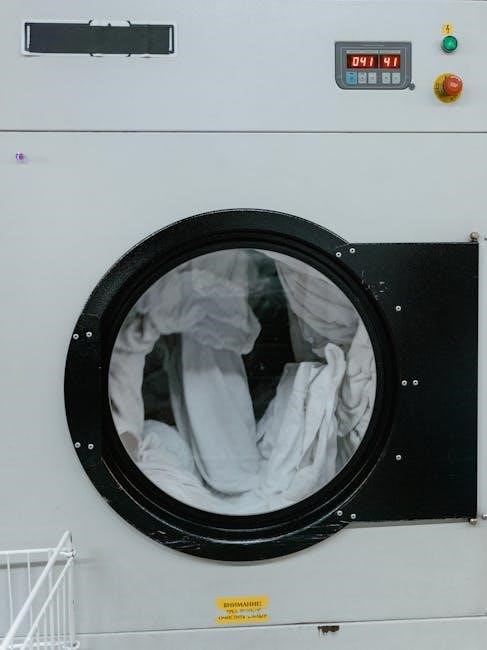
To maximize efficiency, avoid overloading the dryer. Ensure items are evenly distributed within the drum. Regularly fluff bulky items during the cycle to promote airflow. Selecting the appropriate dryness level is vital; ‘more dry’ may be needed for thicker materials. Proper ventilation is key for optimal performance.
Advanced Features & Cycles

The Frigidaire Affinity Dryer boasts several advanced features designed for specialized drying needs. These include the Steam Refresh Cycle, gently reducing wrinkles and odors without washing. The Sanitize Cycle utilizes higher temperatures to eliminate bacteria and allergens, ideal for bedding and baby clothes.
For customized drying, the Timed Dry Cycle allows you to set precise drying times, preventing over or under-drying. Explore options like ‘Damp Dry’ or ‘Very Dry’ to suit fabric types. These cycles enhance convenience and garment care, offering tailored solutions beyond basic drying.
Steam Refresh Cycle – Reducing Wrinkles
The Steam Refresh Cycle is a convenient feature for quickly freshening garments without a full wash. Utilizing gentle steam, this cycle relaxes fibers, effectively reducing wrinkles and eliminating minor odors. It’s perfect for clothes worn briefly or items needing a quick refresh before wearing.
This cycle is ideal for delicate fabrics that require minimal heat. Simply select the Steam Refresh cycle, and the dryer will utilize moisture to revitalize your clothes in a short period. It’s a time-saving solution for maintaining a crisp, presentable wardrobe, offering a gentle alternative to ironing.
Sanitize Cycle – Eliminating Bacteria
The Sanitize Cycle utilizes high heat to eliminate up to 99.9% of common household bacteria, providing an extra level of cleanliness for your laundry. This cycle is particularly beneficial for items like bedding, towels, and children’s clothing, where hygiene is paramount.
To activate, select the Sanitize cycle on the control panel. The dryer will maintain a consistently high temperature for a specified duration, ensuring thorough bacteria reduction. Always check garment care labels before using this cycle, as high heat may not be suitable for all fabrics. It’s a powerful tool for a healthier home environment.
Timed Dry Cycle – Custom Drying Times
The Timed Dry Cycle offers complete control over drying duration, allowing you to precisely tailor the process to your specific needs. This is ideal for drying small loads, delicate items requiring minimal heat exposure, or when you prefer a specific level of dryness.
Simply select the desired drying time, ranging from minutes to hours, using the control panel. The dryer will operate for the set period, automatically shutting off upon completion. Remember to monitor the items periodically to prevent over-drying. This cycle provides flexibility and prevents damage to sensitive fabrics.
Maintenance & Cleaning
Regular maintenance is crucial for optimal performance and longevity of your Frigidaire Affinity Dryer. Consistent cleaning prevents fire hazards, ensures efficient operation, and extends the appliance’s lifespan. Prioritize cleaning the lint filter after every load; a clogged filter restricts airflow and poses a significant safety risk.
Periodically clean the dryer drum with a damp cloth to remove residue buildup. Furthermore, annual vent cleaning is essential to remove accumulated lint from the exhaust duct, improving airflow and preventing potential fires. Following these simple steps will keep your dryer running smoothly.
Cleaning the Lint Filter – Importance & Procedure
Cleaning the lint filter after each and every drying cycle is paramount for safety and efficiency. A clogged lint filter restricts airflow, causing the dryer to overheat and potentially start a fire. It also increases drying time, wasting energy and money.
To clean, simply locate the lint filter – usually inside the dryer door or on top of the drum. Remove the filter and gently roll off the accumulated lint with your fingers. For stubborn buildup, a soft brush can be used. Ensure the filter is completely clean and dry before reinstalling it.
Cleaning the Dryer Drum – Recommended Practices
Regularly cleaning the dryer drum helps maintain optimal performance and prevents residue buildup that can transfer to your clothes. To clean, begin by unplugging the dryer for safety. Use a soft, damp cloth with mild detergent or a specialized dryer drum cleaner.
Wipe down the entire interior surface of the drum, paying attention to any visible stains or residue. Avoid abrasive cleaners, as they can damage the drum’s finish. After wiping, use a clean, damp cloth to rinse away any remaining detergent. Finally, leave the dryer door open to allow the drum to air dry completely before resuming use.
Vent Cleaning – Preventing Fires & Improving Efficiency
Maintaining a clean dryer vent is crucial for safety and optimal dryer performance. Lint accumulation in the vent poses a significant fire hazard and reduces drying efficiency. Disconnect the dryer from power before beginning. Locate and detach the vent hose from both the dryer and the wall.
Use a dryer vent cleaning kit or a vacuum with a long hose attachment to remove lint buildup throughout the entire vent system. Inspect the exterior vent opening to ensure it’s free of obstructions. Reconnect the vent hose securely and test the dryer to confirm proper airflow. Regular vent cleaning—at least annually—is highly recommended.
Troubleshooting Common Issues
Encountering problems with your Frigidaire Affinity Dryer? This section addresses frequent concerns. If the dryer won’t start, verify the power cord is securely plugged in and the door is properly latched. A blown fuse or tripped circuit breaker could also be the cause. For no-heat issues, check the heating element and gas supply (if applicable).
Excessive noise often stems from foreign objects in the drum or a worn-out drum support roller. Always disconnect power before inspecting. If issues persist, consult a qualified technician. Never attempt repairs beyond your expertise to avoid further damage or safety hazards.
Dryer Not Starting – Possible Causes & Solutions
If your Frigidaire Affinity Dryer fails to start, begin by confirming the power cord is firmly connected to a functioning outlet. Ensure the dryer door is completely closed and latched; a slightly ajar door prevents operation. Check your home’s circuit breaker or fuse box – a tripped breaker or blown fuse will halt the dryer.
Also, verify the start button has been properly pressed after selecting a cycle. If these steps don’t resolve the issue, a potential internal component failure may require professional diagnosis and repair. Always disconnect power before any inspection.
Dryer Not Heating – Diagnosing the Problem
When your Frigidaire Affinity Dryer isn’t heating, first confirm the heating element isn’t the issue. Check if the vent is blocked, as restricted airflow can trigger a safety shutoff. A clogged lint filter is a common culprit, so ensure it’s clean before each use. Verify the thermal fuse hasn’t blown – this component protects against overheating.
If these checks don’t reveal the problem, a faulty heating element, gas valve (for gas dryers), or control board may be responsible. Disconnect power before inspecting any internal components and consult a qualified technician for repairs.
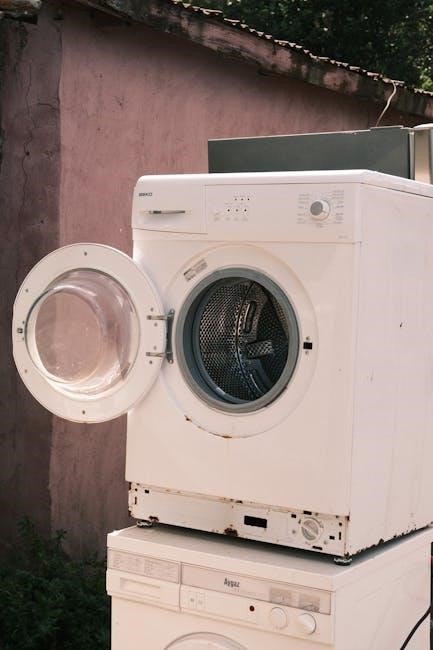
Excessive Noise During Operation – Identifying the Source
Unusual noises from your Frigidaire Affinity Dryer often indicate a mechanical issue. A squealing sound could point to worn drum support rollers or a worn drive belt. Clicking noises might suggest objects lodged in the dryer drum or lint buildup around the blower wheel. A rumbling sound could indicate worn bearings.
Always disconnect power before investigating. Check the drum for obstructions like coins or buttons. If the noise persists, a professional technician should inspect the rollers, belt, and motor. Ignoring excessive noise can lead to further damage and costly repairs.